
Design
Power, layout, access, and hardware chosen for how this property is actually used.
EV charging for properties
EVOLT designs, installs, operates, and maintains charging stations for commercial sites, fleets, parking, and multifamily properties. V4 Supercharger posts are installed for the site host, including Tesla for Business vendors such as EVODS. One team stays with the station after the first car plugs in.
What a project can include
Selected work
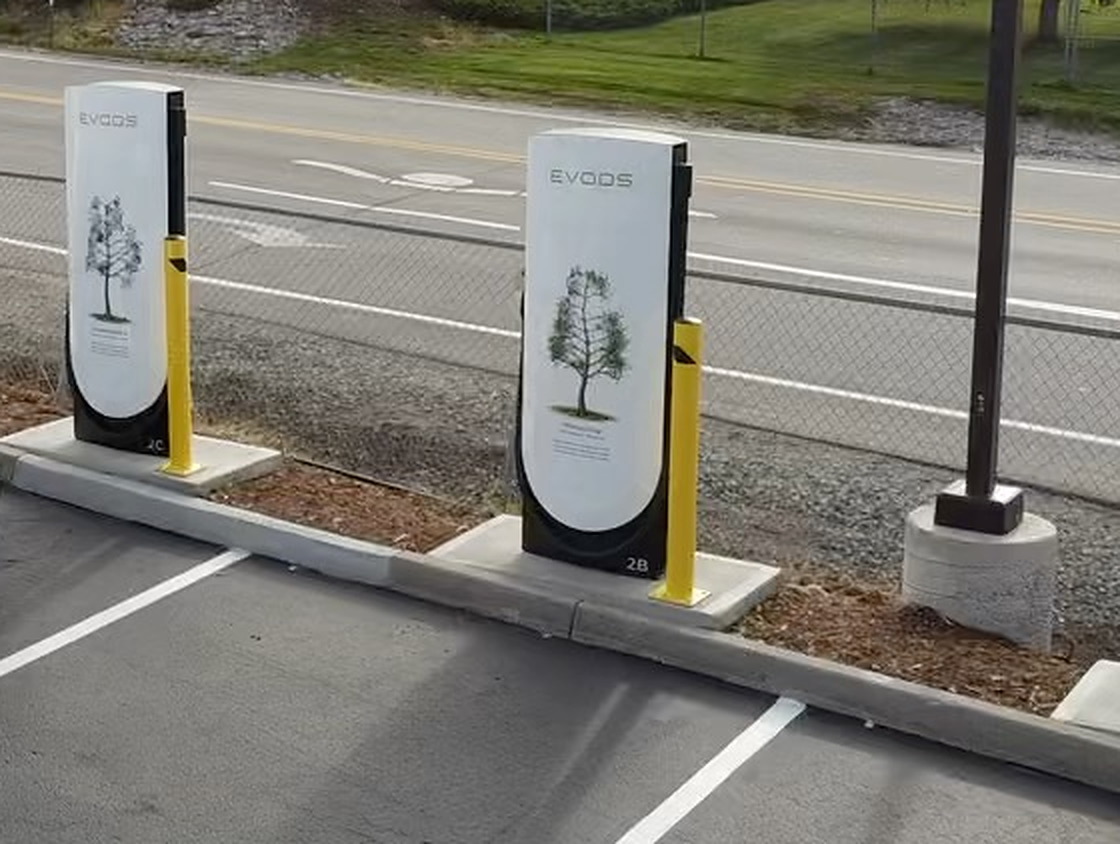
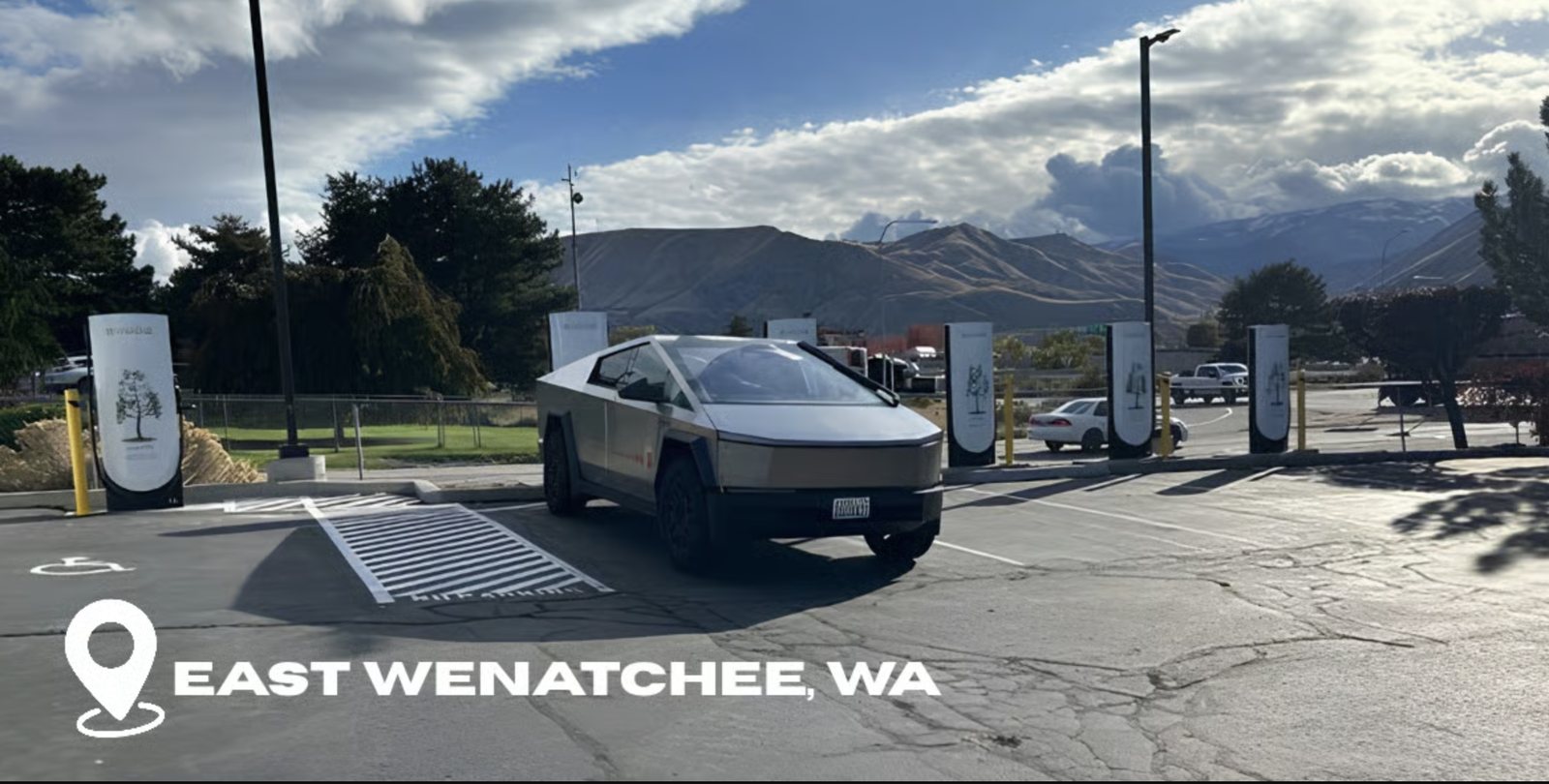
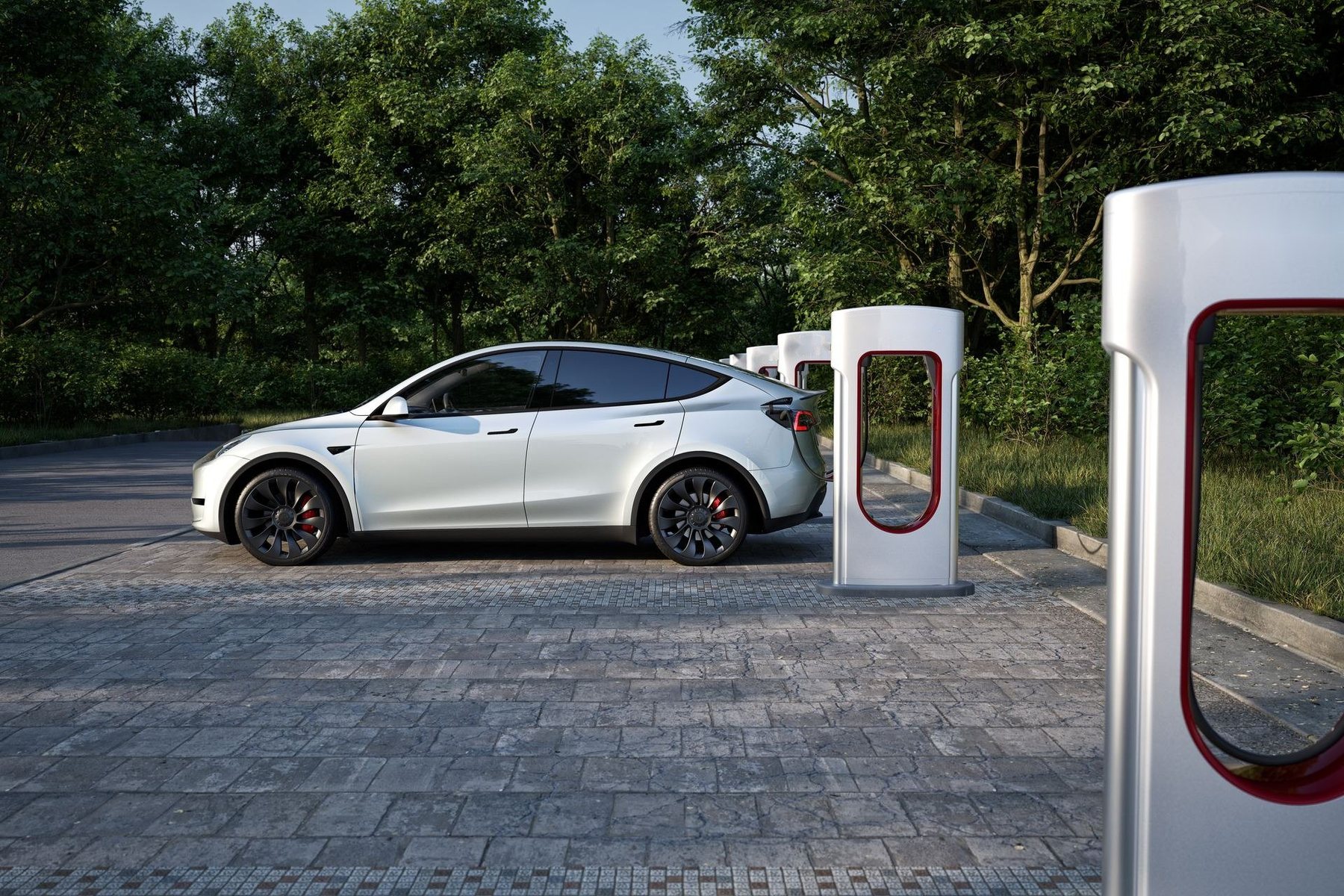
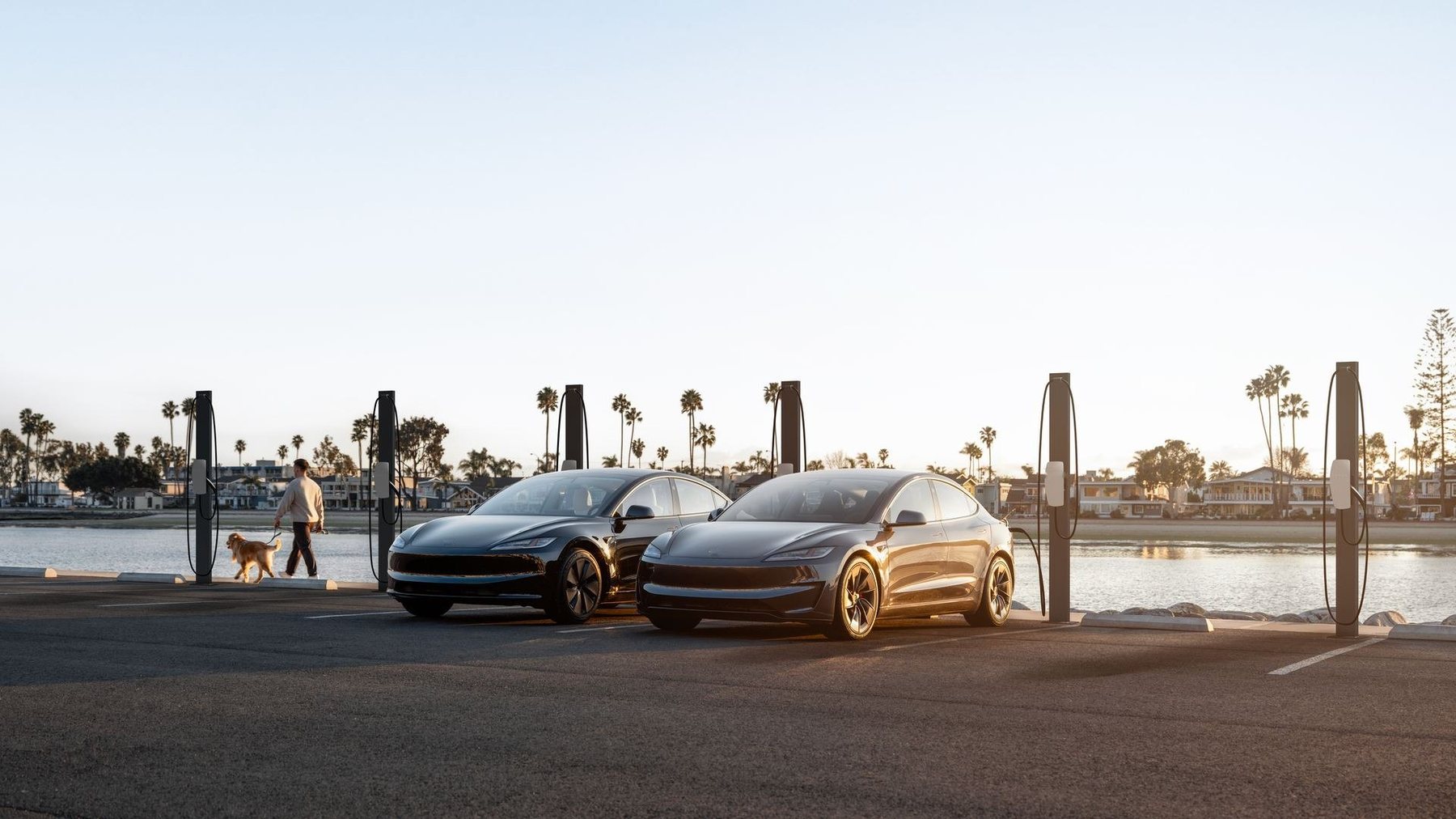
Two views of one installation are pictured here, and the video at the top of the page is the same site. The three photographs under them are not that site.


The work
Four parts of a station, held by one team from the first drawing through the years after it opens.
Power, layout, access, and hardware chosen for how this property is actually used.
Permits, the utility, construction, and commissioning, held by the same team.
Access, monitoring, and the ordinary work of a station people rely on.
Inspections, repairs, and parts, so a fault does not sit there for a week.
Where a site host wants high-power DC, the hardware can be a V4 Supercharger post. EVOLT installs it for that host, including Tesla for Business vendors such as EVODS, and can operate the station on the property.
See the V4 postsHardware
These posts are installed for the site host: a property owner, or a Tesla for Business vendor such as EVODS. EVOLT does that installation and can operate the station on the property. The network, the driver app, and Tesla’s own service terms stay with Tesla.
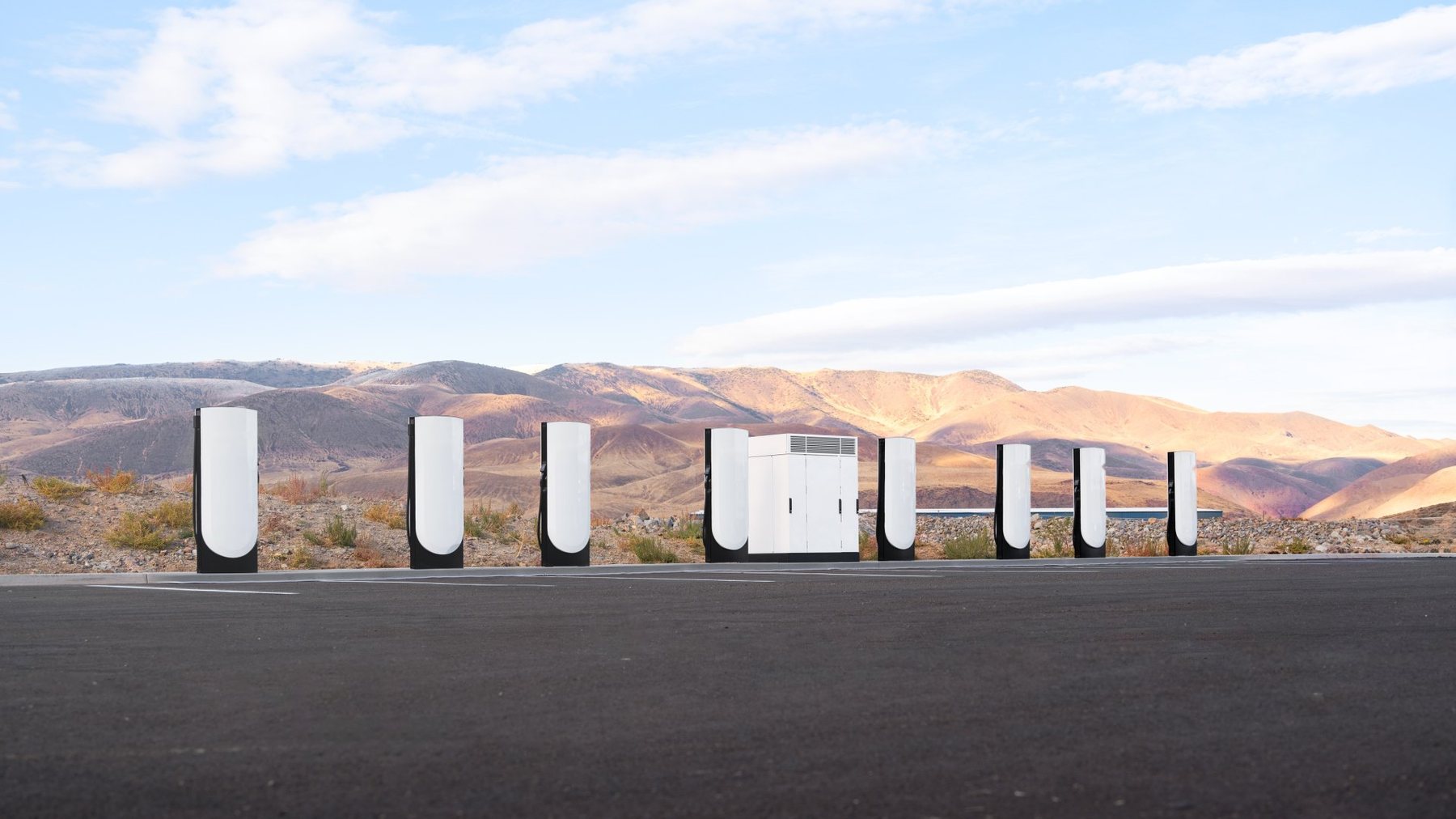
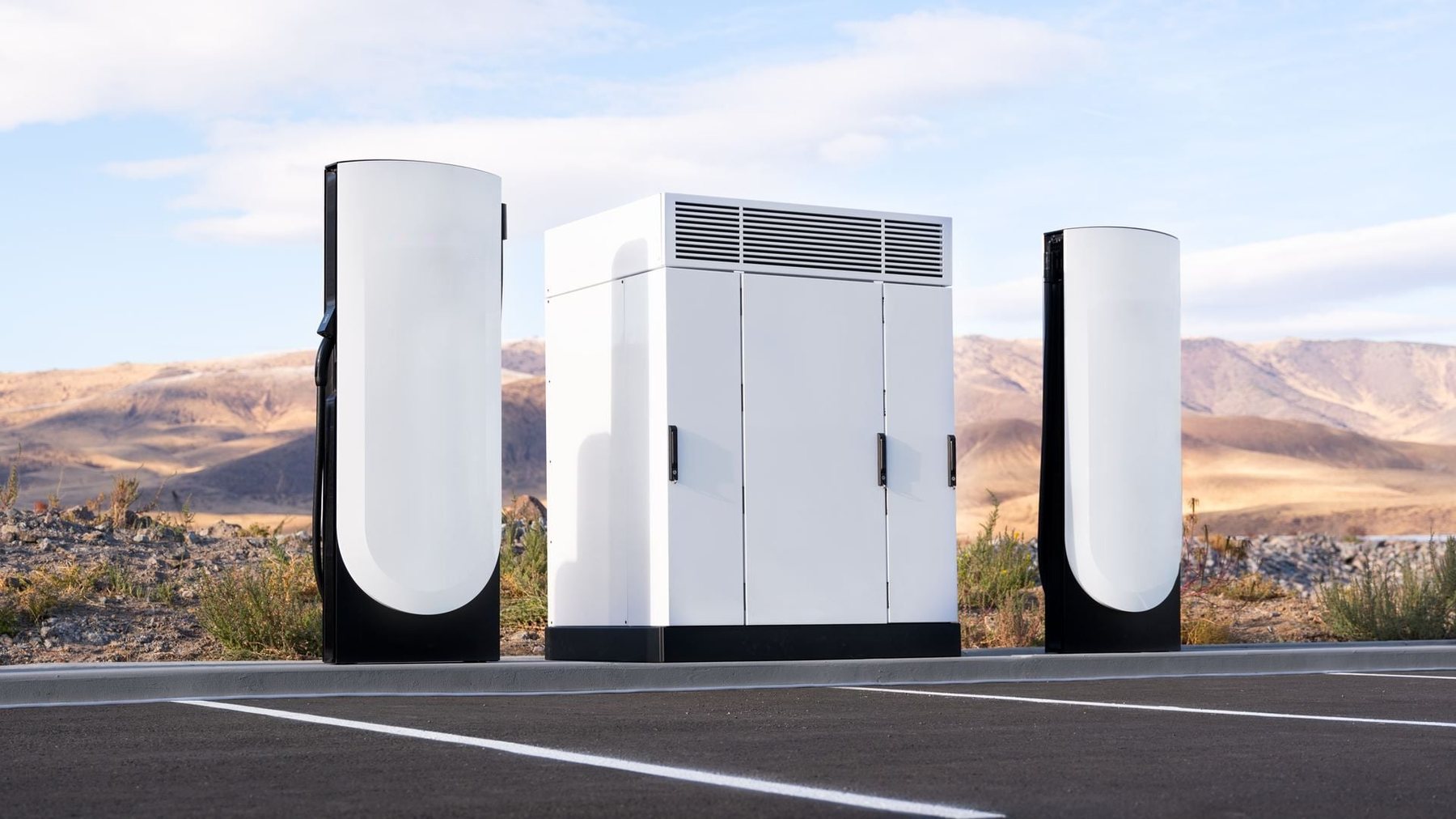
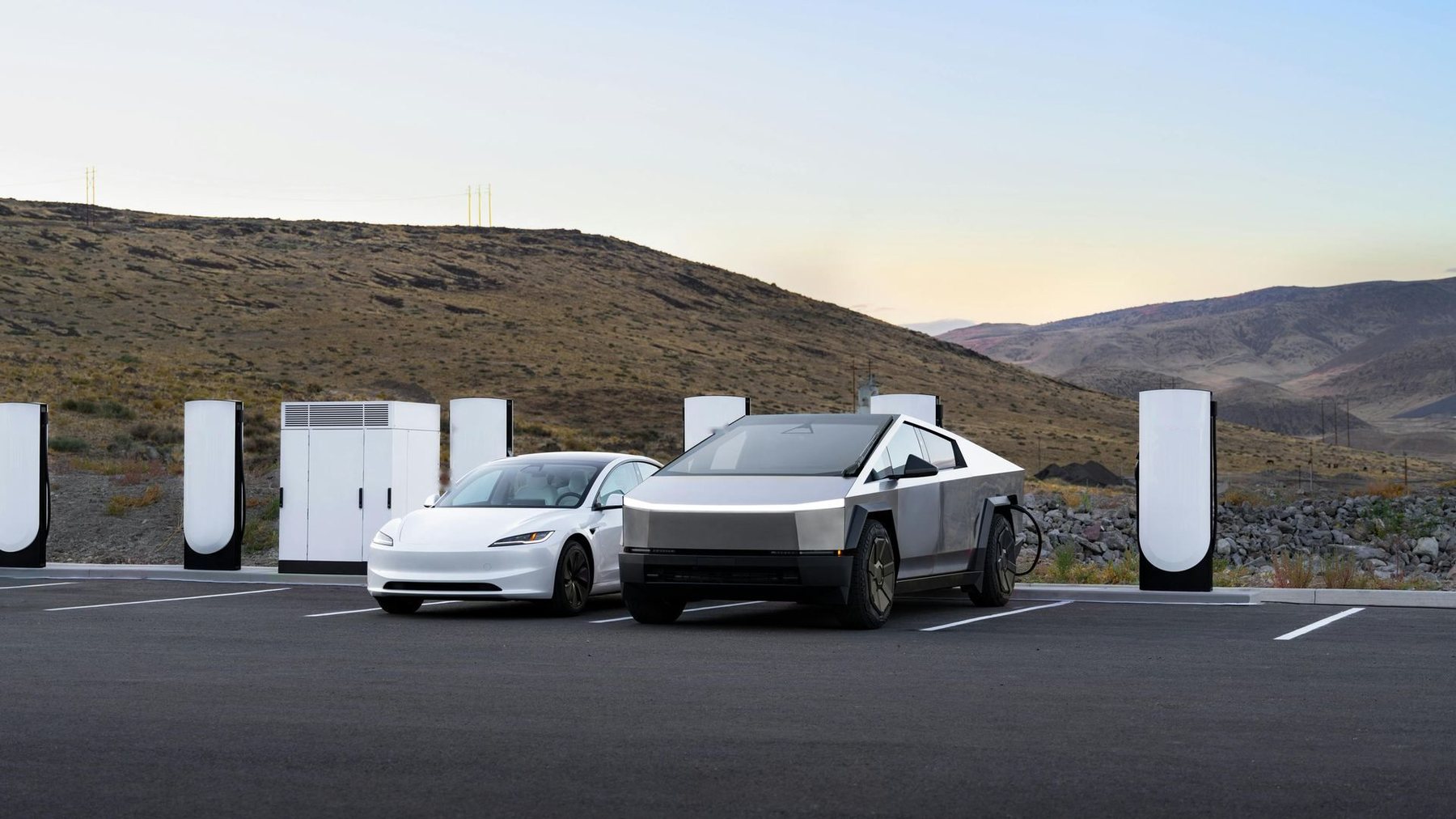
Tesla’s V4 cabinet page says each post can deliver up to 500 kW, and that a cabinet’s output — up to 1,200 kW — is shared by as many as eight posts. A published post spec also lists 615 A continuous and a voltage range of 0–1,000 VDC. Those are Tesla’s figures, not a promise about every vehicle or every site.
Tesla and Supercharger are trademarks of Tesla, Inc. EVOLT installs this hardware for site hosts.
Where it fits
The useful sites have power within reach, parking that can be dedicated, and people who already stop there.
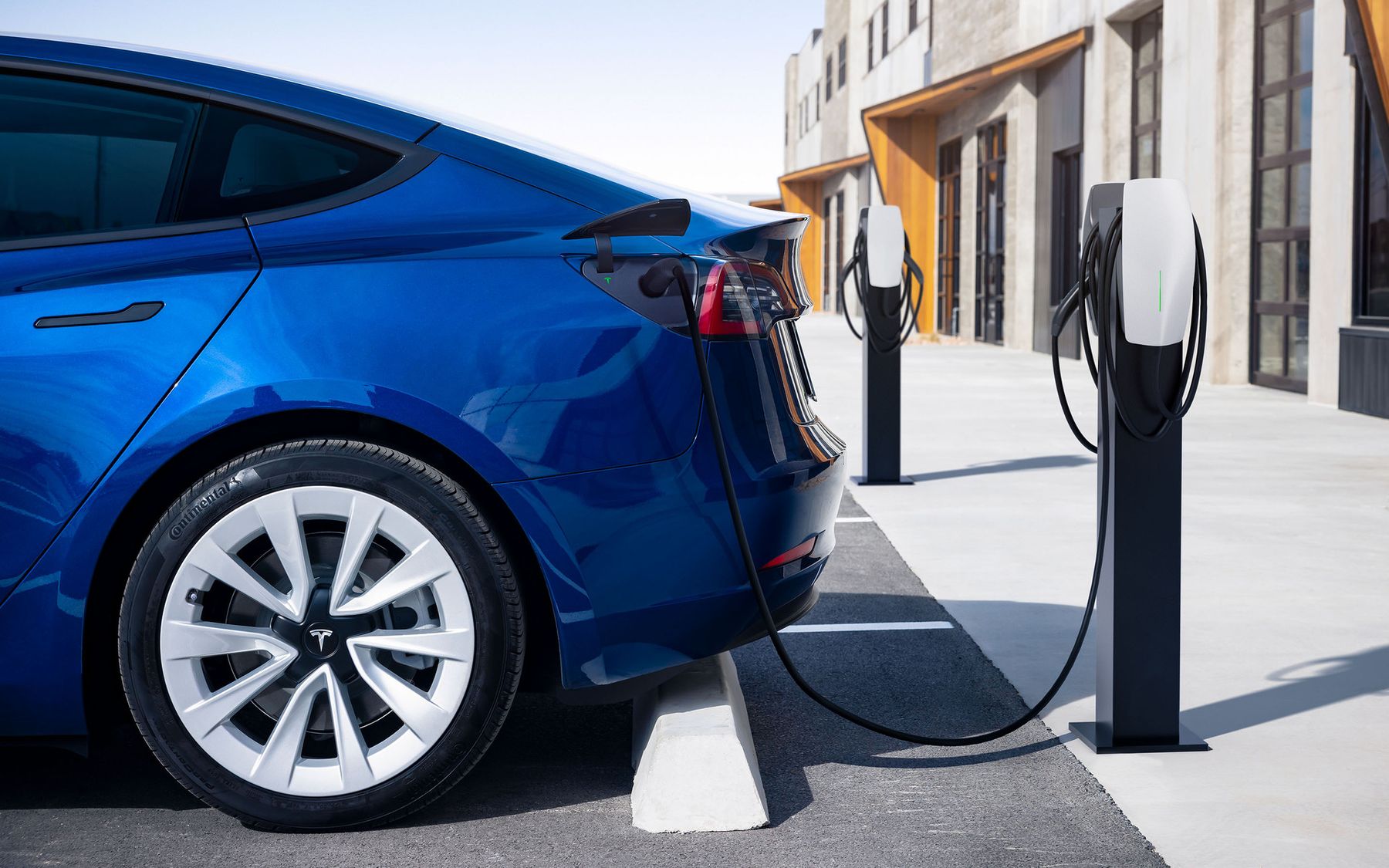
Offices, retail floors, and mixed-use buildings where tenants and visitors need a stall that is simply there.
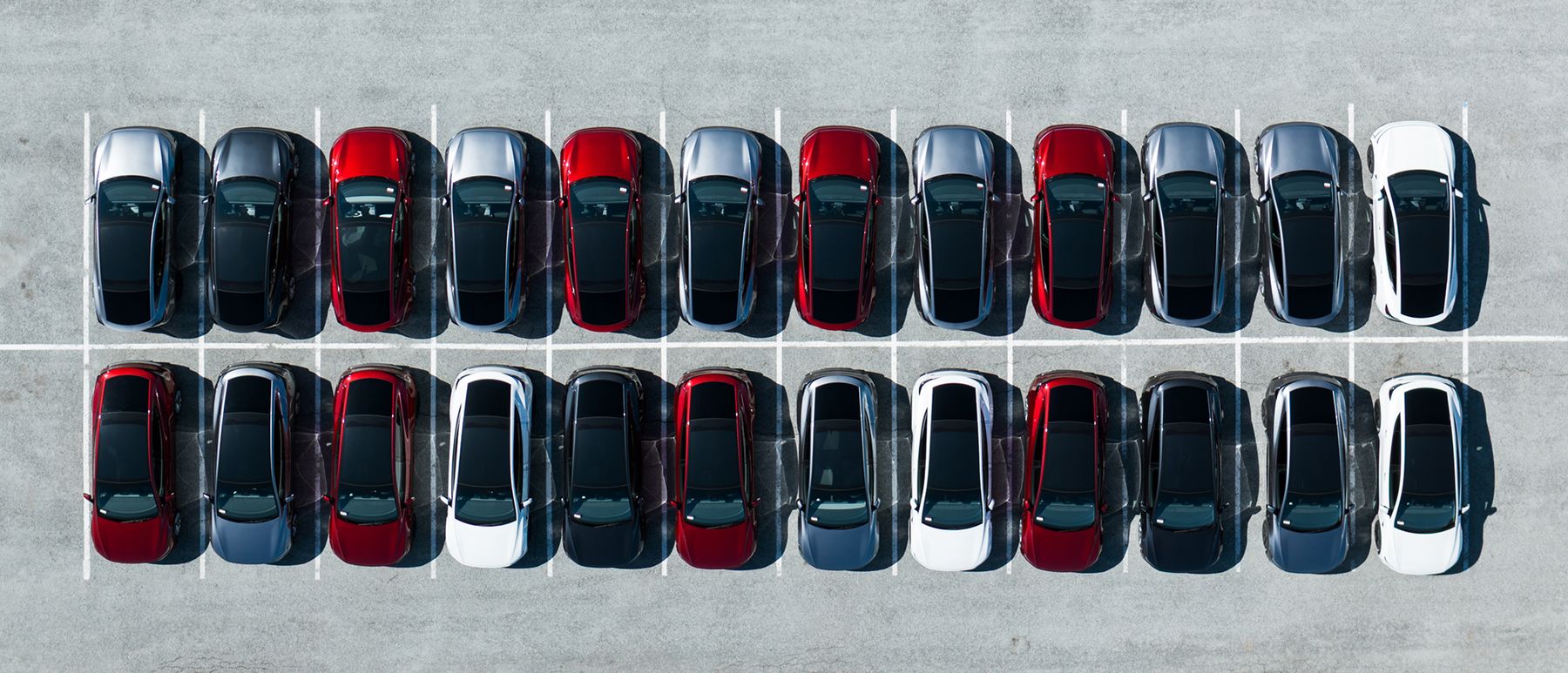
Yards and depots where vehicles return on a schedule and the power plan has to match the route.
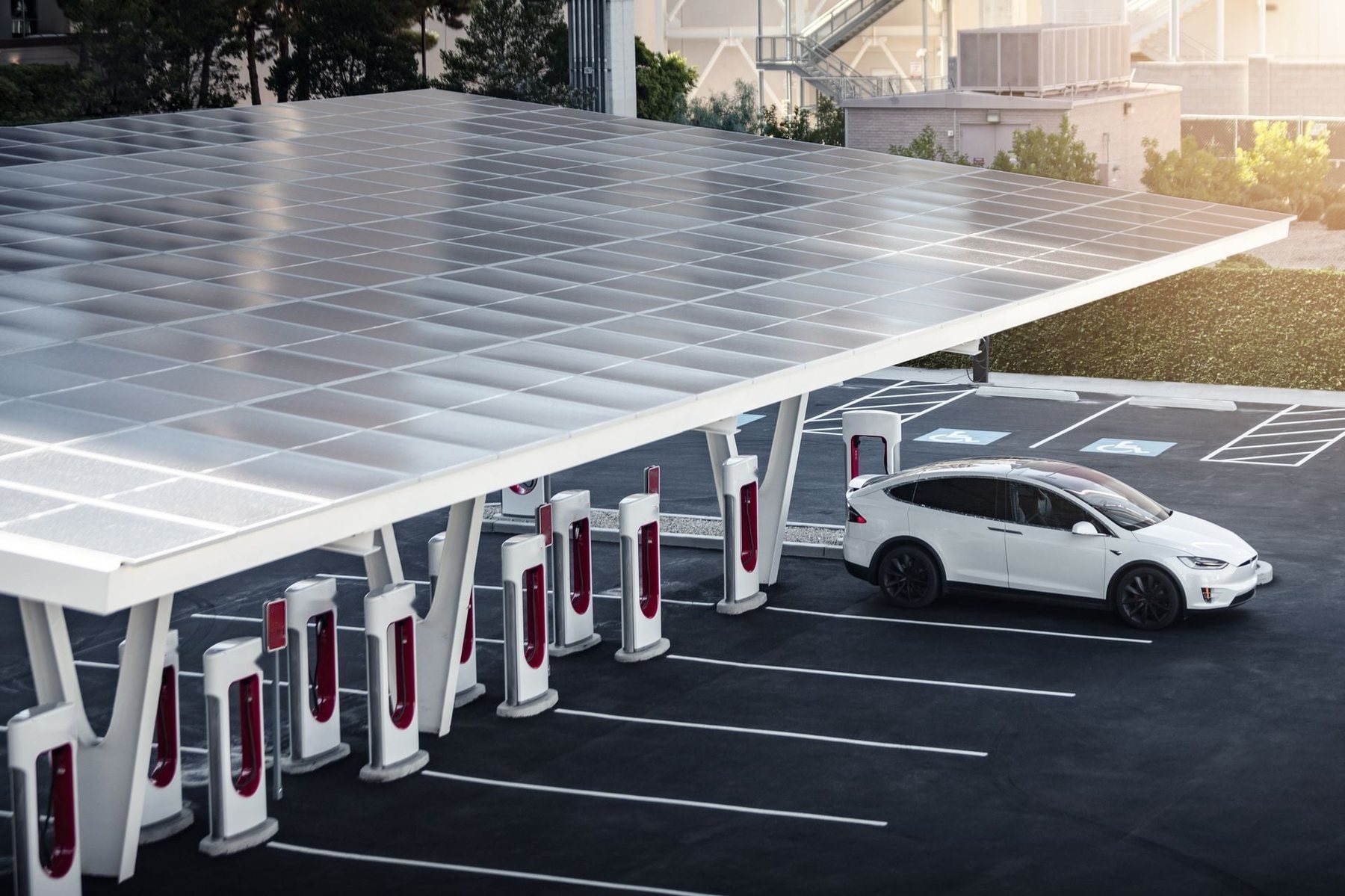
Garages and surface lots where the stalls, the drive aisle, and the lighting are already decided.
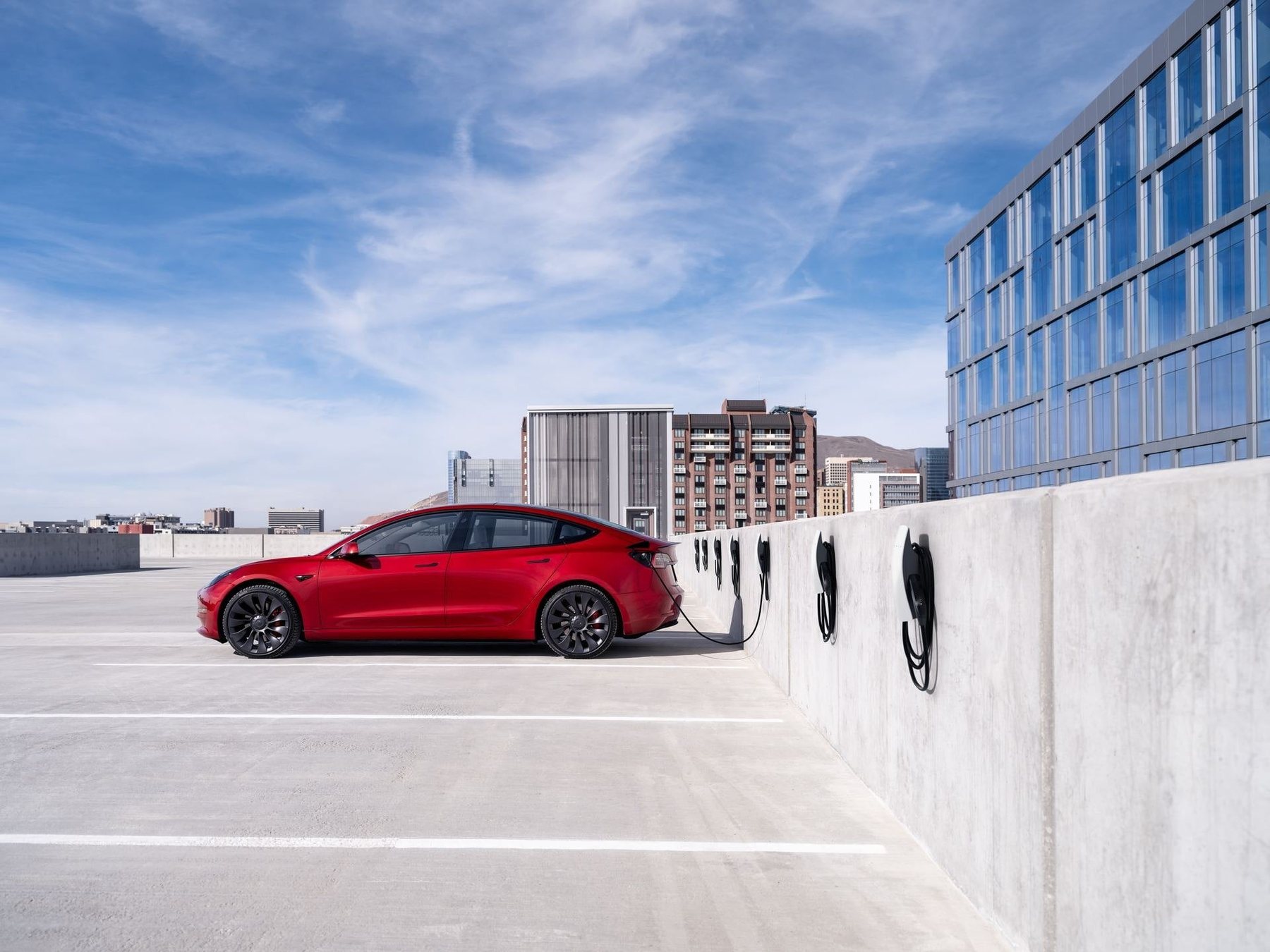
Apartments and condominiums where residents charge overnight and the equipment has to be easy to live with.
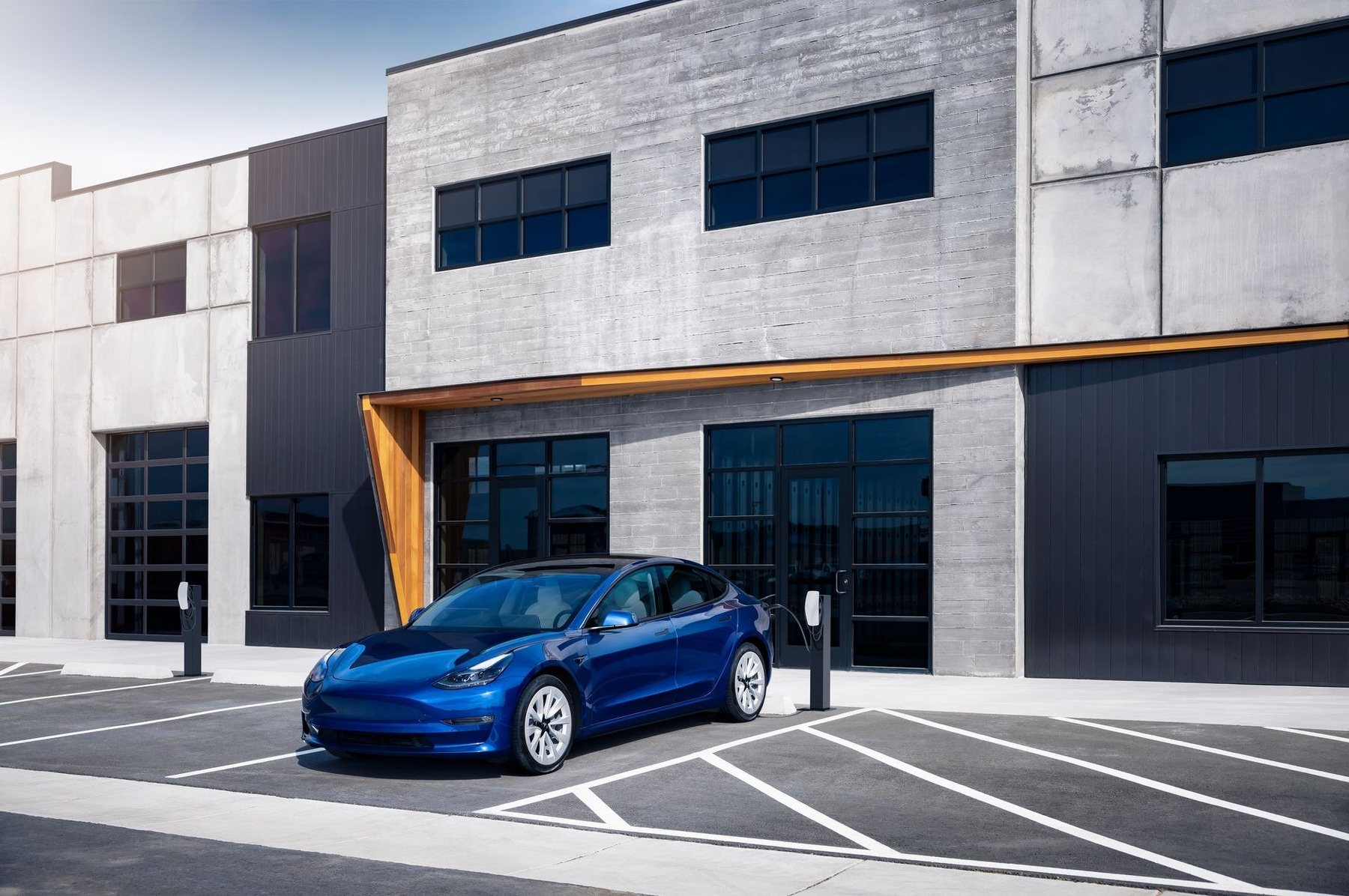
Daytime charging for people who park once and stay until the workday ends.
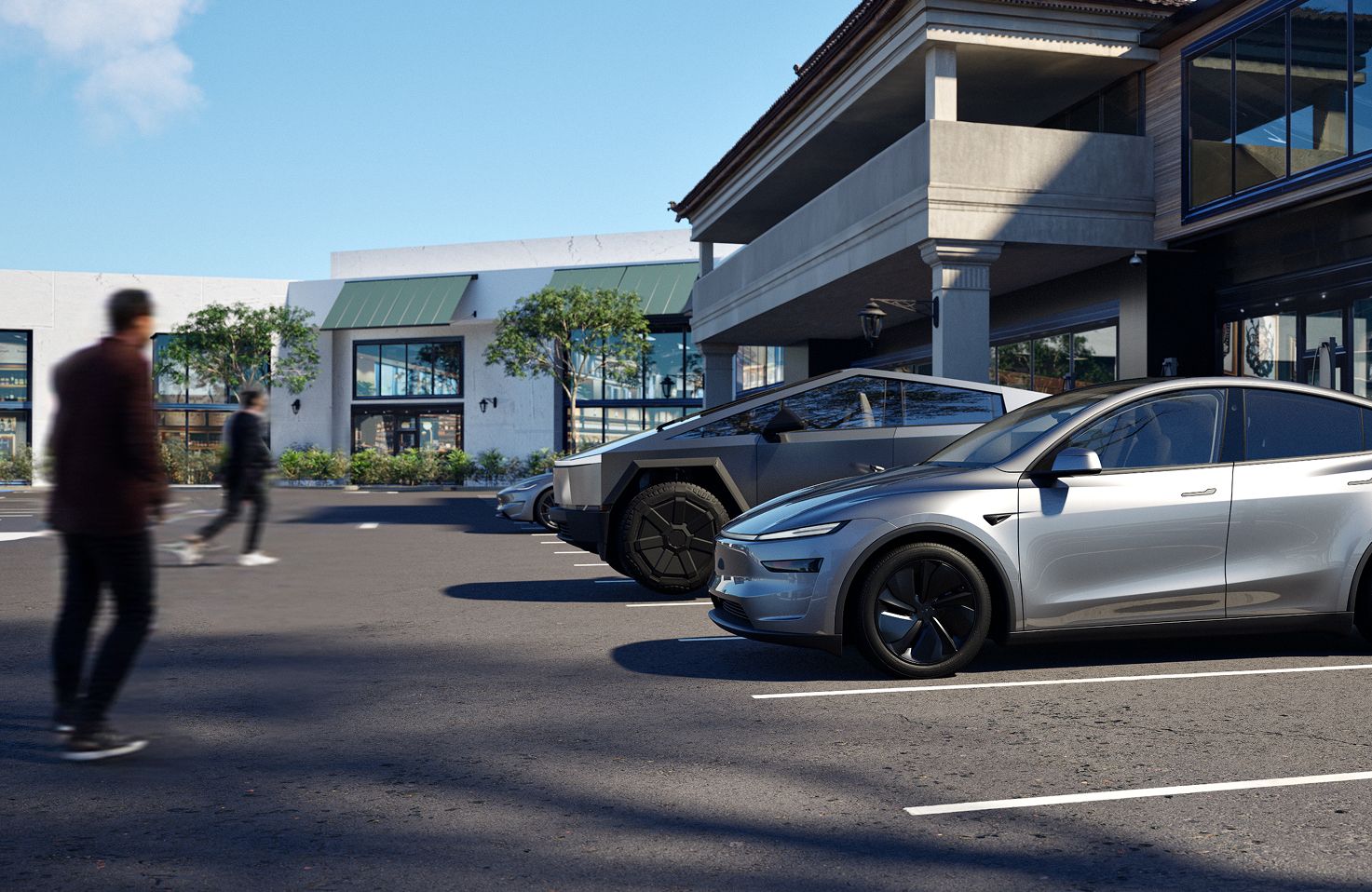
A stop that lines up with a meal, a meeting, or a night on the property.
Shared lots and civic sites that have to serve many drivers without a private host at the stall.
Tell us how the property is used. We will say plainly whether a station belongs there.
From first look to uptime
Five steps from a walk of the property to a station that stays in service.
A walk through access, parking, power, and who the stalls are for.
Layout, hardware, and the electrical path, drawn for this site.
A fixed description of the work before construction starts.
Permits, utility coordination, construction, and a station that turns on.
Monitoring, access, inspections, and repairs after the first session.
Share how the site is used. The note goes to EVOLT. There is no calculator inventing a payback on this page.
Why EVOLT
Hardware is the visible part. The work is power, access, permits, and a stall that still charges on a Tuesday.
Design, permits, the utility, construction, commissioning, operation, and maintenance. One contract, one point of contact.
The station follows the drive aisle, the dwell time, and who is actually parking. Not a catalog layout dropped on the lot.
Capacity, the path from the gear to the stall, and what the utility will allow are part of the design, not a surprise at the end.
Opening day is the start of the work. EVOLT stays for the ordinary failures that take a station offline.
After opening day
A station that is installed and then forgotten becomes a dark parking space. EVOLT stays on for the life of the equipment it puts in the ground.
The property
Share how the property is used and what you want the station to do. Write to info@evoltcompany.com.
Start with the site itself. We will tell you what a station there would take.